Quantum Algorithms in the Fault Tolerant Era
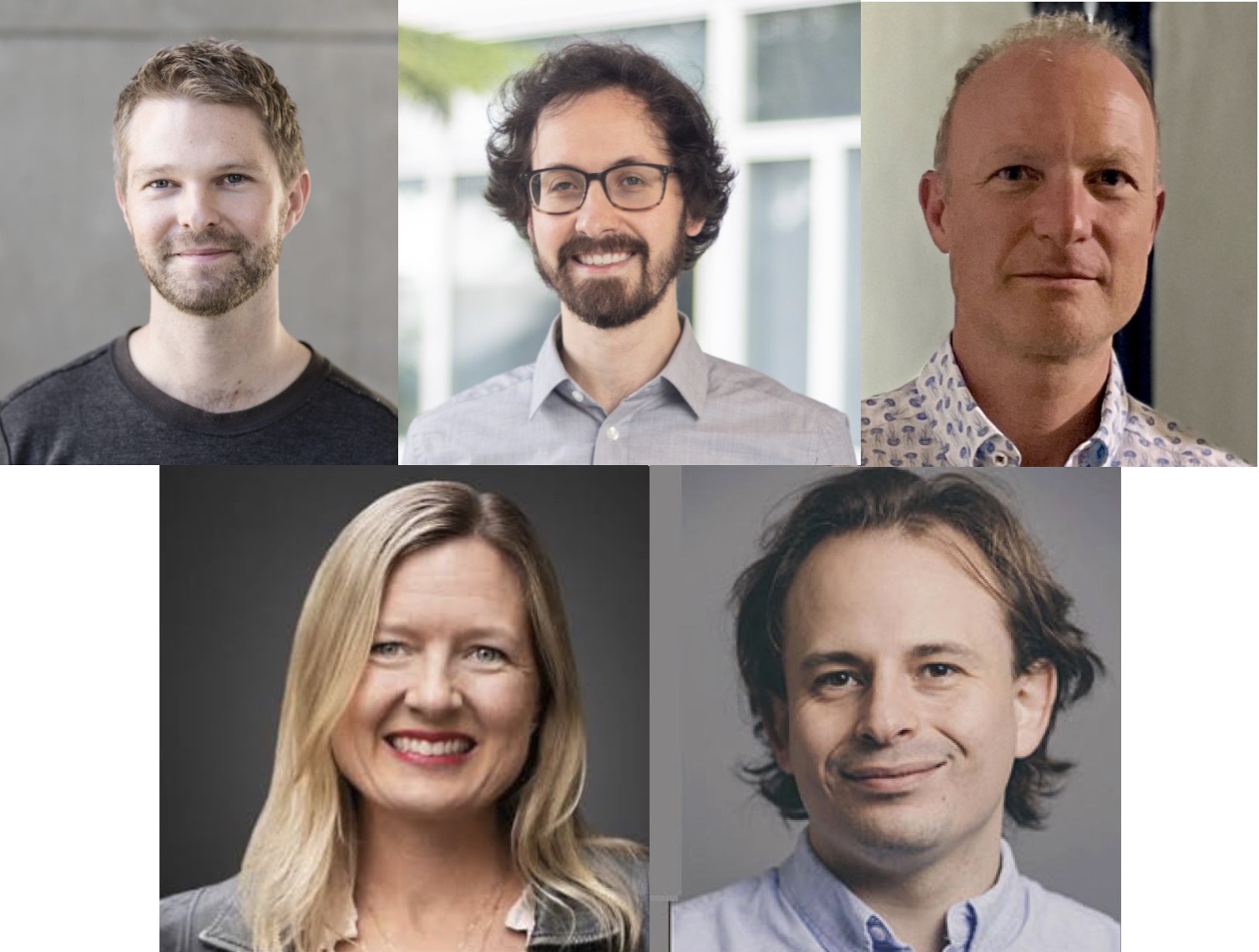
Organizers: Michael Beverland (IBM Quantum), Matt Amy (SFU, Vancouver), Christian Bauer (LBNL), Krysta Svore (NVIDIA), Nathan Wiebe (University of Toronto)
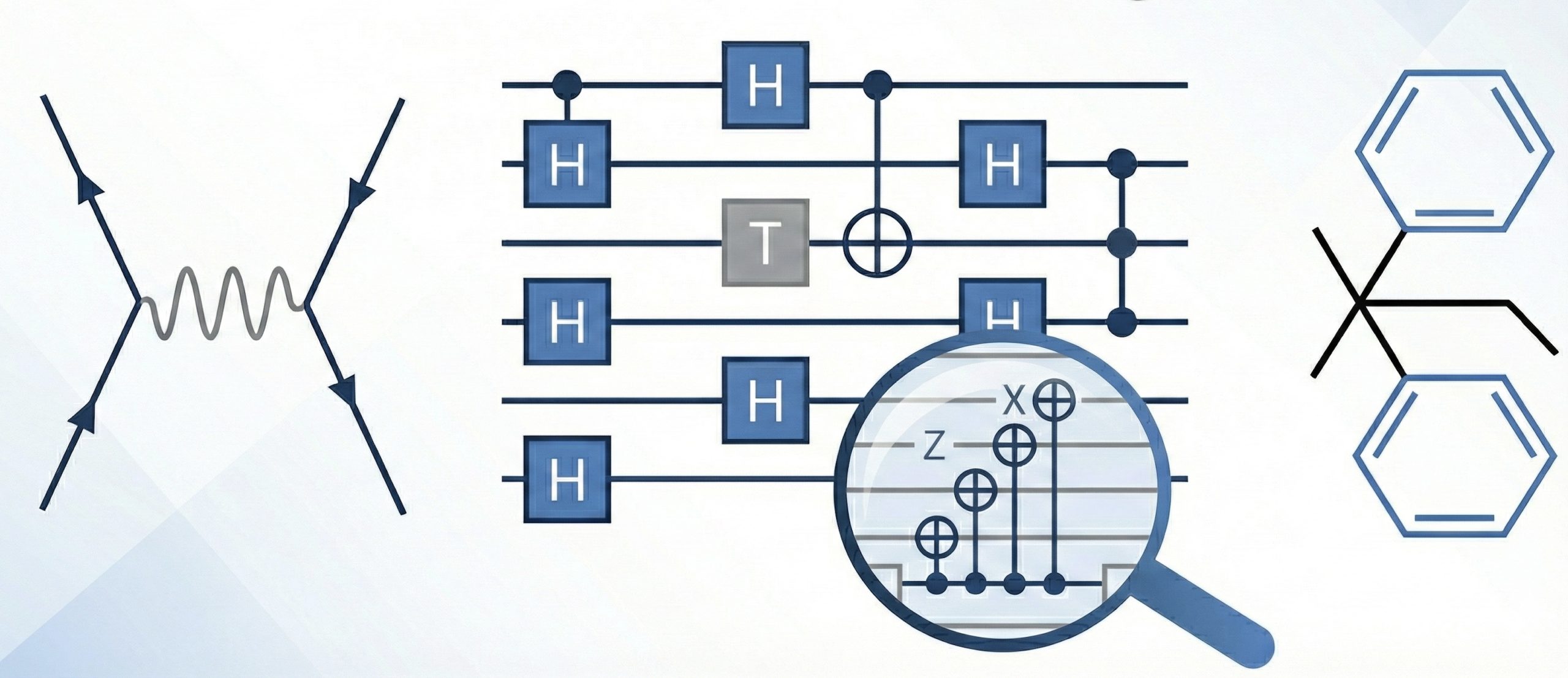
Quantum circuits for the most promising applications, including fundamental science, material design and chemistry, will likely exceed the limits of NISQ hardware due to noise. Fault-tolerance schemes enable reliable execution on encoded qubits but impose scheme-specific constraints on the operations available to a circuit. An ambitious goal is to both (1) design algorithms and circuits that efficiently exploit the fault-tolerant operations of a given scheme, and (2) design fault-tolerance schemes that enhance the computational power of the circuits they support. This is challenging, in part because the fields of fault tolerance, quantum algorithms and quantum circuit compilation are rapidly evolving and largely pursued by separate research communities. This workshop aims to foster tighter collaboration between these areas and with near-term quantum simulations.
The workshop is designed to be collaborative rather than conference-style. We expect to have one introductory 60-minute talk on most mornings, aimed at establishing shared background and bringing participants from different areas into the same conversation. Most of each day will be reserved for discussion, collaboration, and work on concrete open problems. Shorter talks, discussion sessions, and problem-focused working groups may be added as the program develops.
Hourly Schedule
Monday, 14 September
- 9.30am - 9.40 am
- Welcome to IQuS
- Martin Savage
- 9.40am - 10.00am
- Introduction and Vision
- The Organizers: Michael Beverland (IBM Quantum), Matt Amy (SFU, Vancouver), Christian Bauer (LBNL), Krysta Svore (NVIDIA), Nathan Wiebe (University of Toronto)
- 10.00am - 10.45am
- Fault-Tolerant Quantum Architectures: Surface to qLDPC
- Michael Beverland (IBM Quantum)
- 10.45am - 11.00am
- Discussion
- 11.00am
- Coffee and Discussion
- 5th Floor
- 2.30pm - 3.30pm
- ZX calculus for circuit compilation
- Aleks Kissinger
- 3.30pm - 4.00pm
- Coffee and Discussion
- 5th Floor
Tuesday, 15 September
- 9.30am - 10.15am
- Quantum Algorithm Techniques
- Nathan Wiebe (University of Toronto)
- 10.15am - 10.30am
- Discussion
- 10.30am
- Coffee and Discussion
- 5th Floor
- 2.30pm - 3.30pm
- Open Problem Session 1
- 4th Floor Interaction Room
- 3.30pm - 4.00pm
- Coffee and Discussion
- 5th Floor
Wednesday, 16 September
- 9.30am - 10.15am
- The State of Quantum Programming Languages
- Charles Yuan (University of Wisconsin-Madison)
- 10.15am - 10.30am
- Discussion
- 10.30am
- Coffee and Discussion
- 5th Floor
- 2.30pm - 3.30pm
- Open Problem Session 2
- 4th Floor Interaction Room
- 3.30pm - 4.00pm
- Coffee and Discussion
- 5th Floor
Thursday, 17 September
- 9.30am - 10.15am
- Approaches to fault-tolerant operations
- Daniel Bochen Tan (Quera Computing and Harvard University)
- 10.15am - 10.30am
- Discussion
- 10.30am
- Coffee and Discussion
- 5th Floor
- 3.00pm - 3.30pm
- Open Problem Session 3
- 4th Floor Interaction Room
- 3.30pm - 4.00pm
- Coffee and Discussion
- 5th Floor
Friday, 18 September
- 9.30am - 10.15am
- Logical compilation for qLDPC codes
- Eddie Schoute (IBM Research)
- 10.15am - 10.30am
- Discussion
- 10.30am
- Coffee and Discussion
- 5th Floor
- 2.30pm - 3.30pm
- Open Problem Session 4
- 4th Floor Interaction Room
- 3.30pm - 4.00pm
- Coffee and Discussion
- 5th Floor
Monday, 21 September
- 9.30am - 9.40am
- IQuS Welcome
- Silas Beane (IQuS)
- 9.40am - 10.00am
- Introduction and Vision
- The Organizers: Michael Beverland (IBM Quantum), Matt Amy (SFU, Vancouver), Christian Bauer (LBNL), Krysta Svore (NVIDIA), Nathan Wiebe (University of Toronto)
- 10.00am - 10.45am
- Algorithms, QEC and Lattice Gauge Theories
- Martin Savage
- 10.45am - 11.00am
- Discussion
- 11.00am
- Coffee and Discussion
- 5th Floor
- 2.30pm - 3.30pm
- Open Problem Session 5
- 4th Floor Interaction Room
- 3.30pm - 4.00pm
- Coffee and Discussion
- 5th Floor
Tuesday, 22 September
- 9.30am - 10.15am
- Lattice Surgery versus Gate Teleportation
- Hayata Yamasaki (University of Tokyo)
- 10.15am - 10.30am
- Discussion
- 10.30am - 11.00am
- Coffee and Discussion
- 5th Floor
- 2.30pm - 3.30pm
- Open Problem Session 6
- 4th Floor Interaction Room
- 3.30pm - 4.00pm
- Coffee and Discussion
- 5th Floor
Wednesday, 23 September
- 9.30am - 10.15am
- Classical Baselines, Resource Estimation, and Quantum Utility
- Matthew Otten (University of Wisconsin-Madison)
- 10.15am - 10.30am
- Discussion
- 10.30am - 11.00am
- Coffee and Discussion
- 5th Floor
- 2.30pm - 3.30pm
- Open Problem Session 7
- 4th Floor Interaction Room
- 3.30pm - 4.00pm
- Coffee and Discussion
- 5th Floor
Thursday, 24 September
- 9.30am - 10.15am
- Application-Aware Quantum Error Correction
- Hank Lamm (Fermi Lab)
- 10.15am - 10.30am
- Discussion
- 10.30am - 11.00am
- Coffee and Discussion
- 5th Floor
- 2.30pm - 3.30pm
- Open Problem Session 8
- 4th Floor Interaction Room
- 3.30pm - 4.00pm
- Coffee and Discussion
- 5th Floor
Friday, 25 September
- 9.30am - 10.15am
- tbd
- tbd
- 10.15am - 10.30am
- Discussion
- 10.30am - 11.00am
- Coffee and Discussion
- 5th Floor
- 2.30pm - 3.30pm
- Open Problem Session 9
- 4th Floor Interaction Room
- 3.30pm - 4.00pm
- Coffee and Discussion
- 5th Floor
Date
- Sep 14 - 25 2026
- Expired!
Time
- All Day
Location
- Pacific and 15th
Other Locations
- University of Washington PHYS/ASTR Building, Seattle, WA 98195
Organizer
-
Michael Beverland (IBM Quantum), Matt Amy (SFU, Vancouver), Christian Bauer (LBNL), Krysta Svore (NVIDIA), Nathan Wiebe (University of Toronto)